Speaking For The Dead: The Lucrative, Demanding World Of Forensic Pathology

Have you ever wondered what happens after a person passes away, and how their cause of death is determined? It's a pretty fascinating process, and one that requires a lot of s...
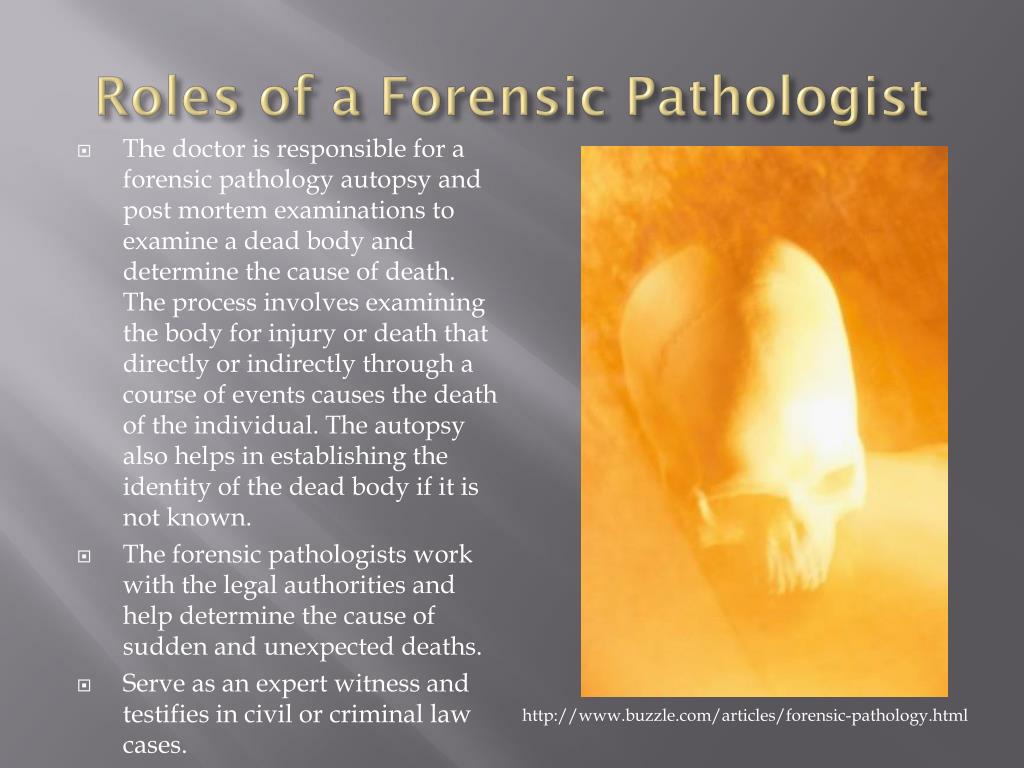
Have you ever wondered what happens after a person passes away, and how their cause of death is determined? It's a pretty fascinating process, and one that requires a lot of skill and expertise. Forensic pathology is the field of medicine that deals with the examination of deceased individuals to figure out how they died.
In this line of work, forensic pathologists are like medical detectives, using their knowledge of science and medicine to solve the mystery of a person's death. They examine the body, looking for clues and evidence that can help them determine the cause of death. It's a bit like being a CSI agent, but instead of investigating crime scenes, they're investigating the body itself.
What does a forensic pathologist do?
A forensic pathologist performs autopsies, which are examinations of the body after death. They look for signs of trauma, disease, or poisoning that could have contributed to the person's death. It's a pretty cool job, because they get to use science and problem-solving skills to figure out what happened to someone.
Must Read
But it's not all glamorous, of course - forensic pathologists also have to deal with some pretty gruesome stuff. They have to be able to handle disturbing sights and smells, and they often have to work long hours in a high-stress environment. So, why would anyone want to do this job? Well, for one thing, it's a lucrative career - forensic pathologists can earn upwards of $200,000 per year.
Another reason people are drawn to this field is the sense of satisfaction that comes from helping to solve a mystery. Forensic pathologists play a critical role in the justice system, helping to bring closure to families and loved ones of the deceased. It's a rewarding career, both financially and emotionally.
How do you become a forensic pathologist?
To become a forensic pathologist, you have to complete a lot of education and training. First, you need to earn a medical degree, and then you have to complete a residency program in pathology. After that, you can pursue additional specialized training in forensic pathology. It's a long and challenging process, but for those who are passionate about the field, it's totally worth it.
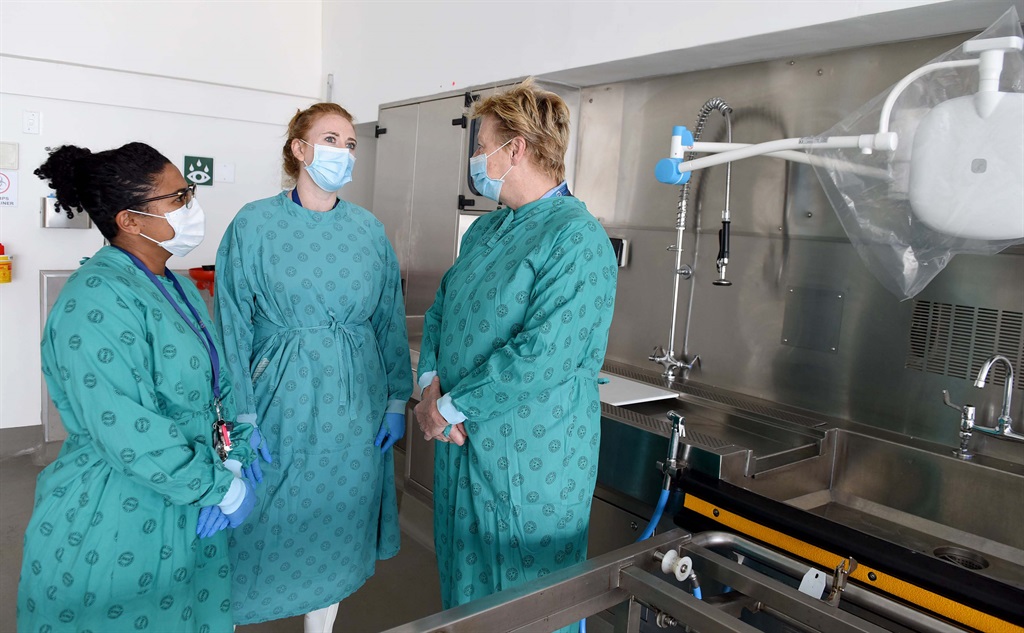 Probing mysteries of the dead: Top forensic pathologist looks back as
So, what's it like to be a forensic pathologist? It's a unique and challenging career, to say the least. You have to be detail-oriented, analytical, and able to handle stress. But if you're up for the challenge, it can be a really cool and rewarding career. And who knows - you might just find yourself speaking for the dead, and helping to uncover the truth about what happened to them.
It's a fascinating world, and one that requires a lot of skill and expertise. Forensic pathologists are like medical superheroes, using their powers of observation and deduction to solve the mysteries of the dead. So, next time you're watching a crime drama on TV, remember the real-life heroes who are working behind the scenes to bring justice to victims and their families.
In conclusion, forensic pathology is a cool and interesting field that requires a lot of skill and expertise. It's a lucrative career that can be rewarding both financially and emotionally. So, if you're passionate about science and medicine, and you're looking for a career that's a little out of the ordinary, you might want to consider becoming a forensic pathologist.
