Hay Fever And Shortness Of Breath

So, you're one of those unlucky folks who get to experience the joy of hay fever and shortness of breath? Well, let me tell you, it's no picnic (literally, because pollen coun...
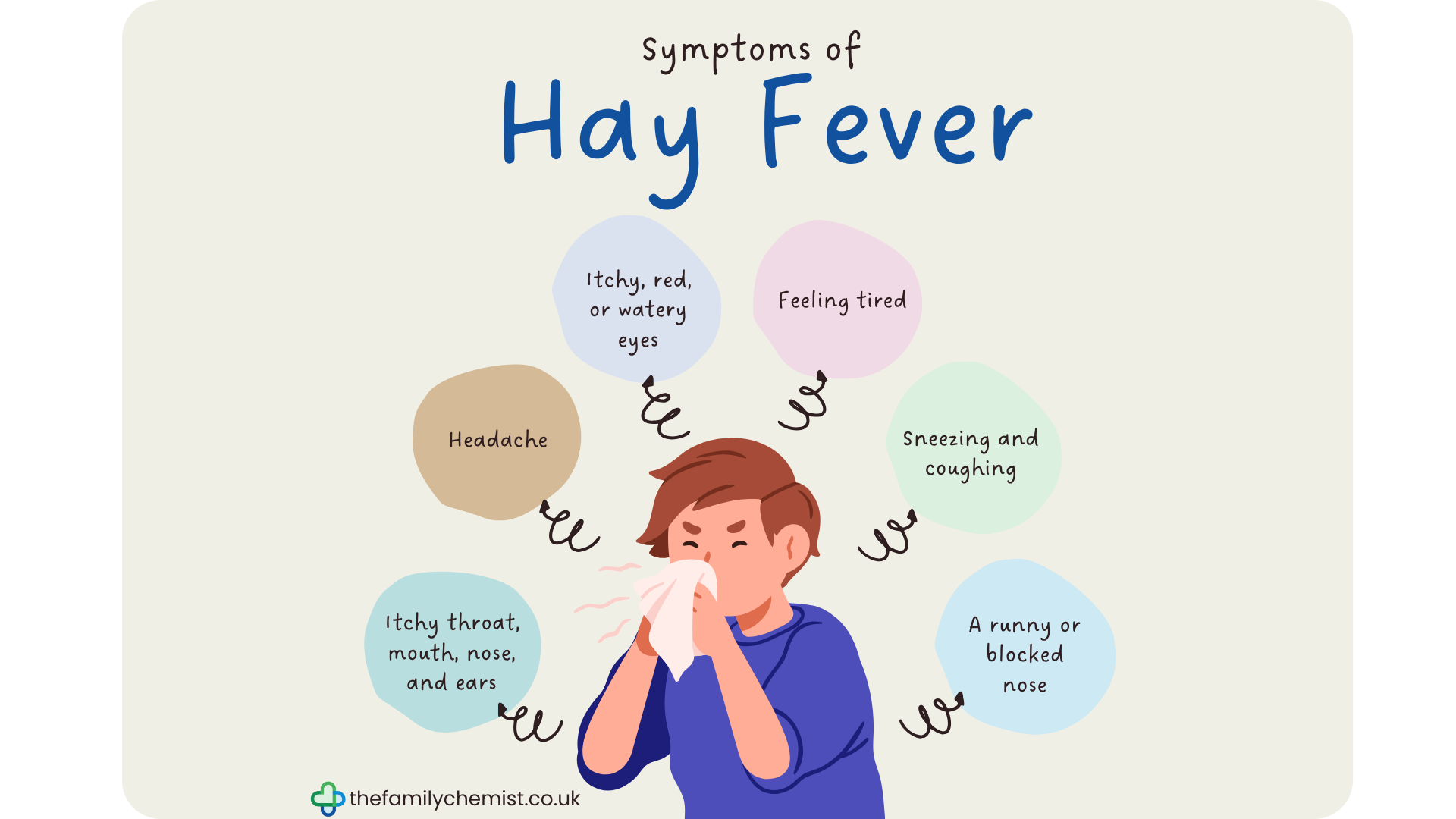
So, you're one of those unlucky folks who get to experience the joy of hay fever and shortness of breath? Well, let me tell you, it's no picnic (literally, because pollen counts are usually highest in parks and gardens). On the bright side, you're not alone - millions of people around the world are sneezing and wheezing their way through spring and summer.
But what's behind this pesky allergy, you ask? It all starts with pollen, the tiny particles released by plants to reproduce (basically, plant sperm). When these particles enter your system, your immune system goes into overdrive, releasing histamine and other chemicals to fight off the perceived threat - and that's when the symptoms start: congestion, itching, sneezing, and of course, shortness of breath.
The Science Behind Hay Fever
Now, you might be wondering why some people are more prone to hay fever than others. It all comes down to genetics - if your parents have allergies, you're more likely to develop them too (thanks, mom and dad!). But that's not all - environmental factors like pollution, climate change, and even stress can also contribute to the development of hay fever.
Must Read
And then there's the hygiene hypothesis, which suggests that our obsession with cleanliness might actually be making us more susceptible to allergies. Essentially, our immune systems aren't getting enough practice fighting off real threats, so they start attacking harmless things like pollen instead - it's like our immune system is a bored toddler looking for something to do.
Shortness of Breath: The Ultimate Party Crasher
So, how does shortness of breath fit into the whole hay fever picture? Well, when your airways are inflamed and constricted due to allergies, it can make it harder to breathe - it's like trying to suck air through a straw. And if you already have a pre-existing condition like asthma, hay fever can exacerbate symptoms and make it even harder to catch your breath.
 The Definitive Guide To Hay Fever First Aid In Australia
But don't worry, there are things you can do to manage your symptoms and breathe a little easier. From over-the-counter medications like antihistamines and decongestants to allergy shots and immunotherapy, there are plenty of options available - and if all else fails, you can always try avoiding pollen altogether (just kidding, that's not really possible... or is it?).
In all seriousness, if you're experiencing persistent or severe shortness of breath, you should seek medical attention ASAP - it's always better to be safe than sorry. And in the meantime, try to laugh at the absurdity of it all: hay fever and shortness of breath might be a real pain, but at least you're not alone - and who knows, you might even learn to appreciate the little things, like being able to breathe deeply without wheezing.
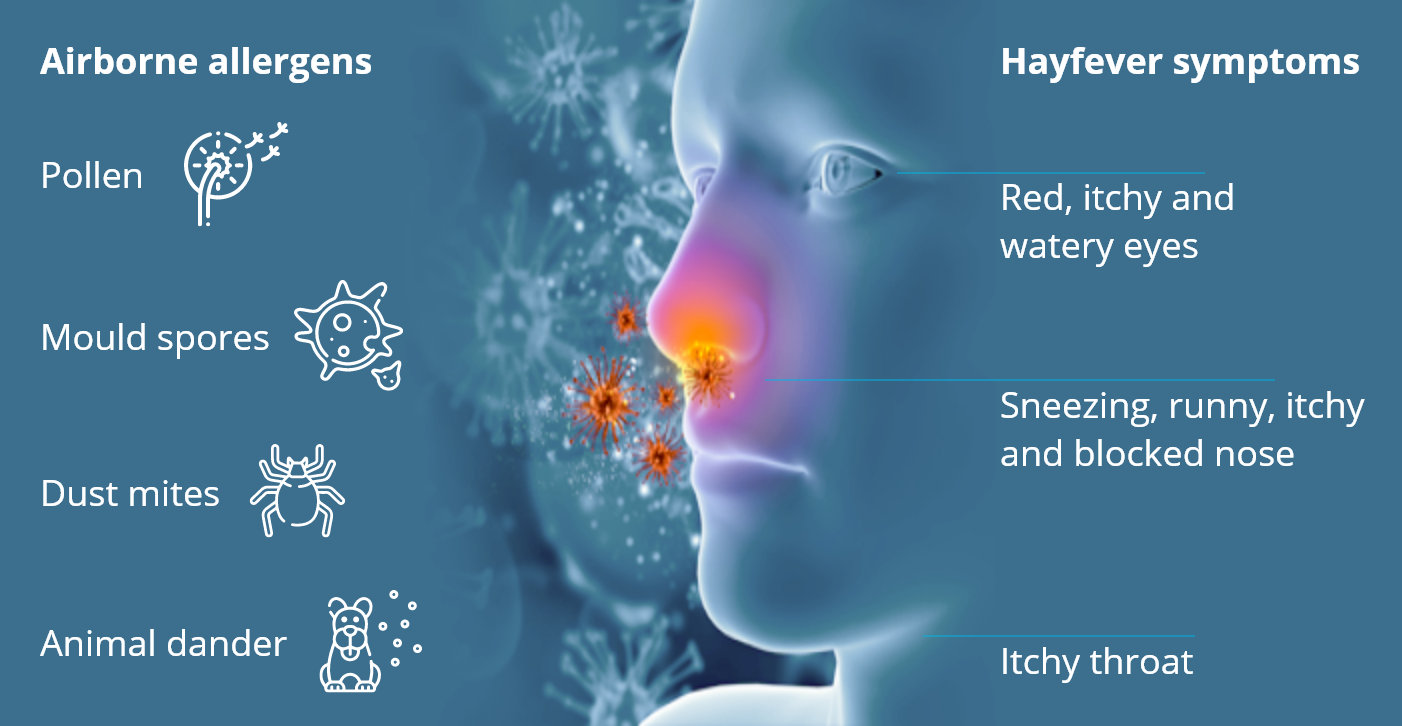 What is hay fever? Causes of hay fever in NZ | Dymista®
On a more serious note, there are some pretty cool (and bizarre) facts about hay fever and shortness of breath. For example, did you know that pollen counts can vary depending on the time of day, with peak counts usually occurring in the late morning and early afternoon? Or that some people are allergic to more than just pollen, with sensitivities to things like dust mites, mold, and even food?
And then there's the economic impact of hay fever and shortness of breath - it's estimated that allergies cost the US economy billions of dollars each year in lost productivity and medical expenses. But hey, at least you're not alone in your sneezing and wheezing - and who knows, you might even start a support group for fellow sufferers (just don't forget to bring the tissues... and a ventilator).
In conclusion, hay fever and shortness of breath might be a real nuisance, but they're not the end of the world - and with the right treatment and attitude, you can learn to manage your symptoms and live a relatively normal life. So the next time you're feeling stuffy and wheezy, just remember: you're not alone, and there's always hope (and anti-histamines) on the horizon.
