Hmrc Reports Thousands Of Self Assessment Scams Ahead Of Deadline
As the self-assessment deadline is just around the corner, HMRC has issued a warning that should make all of us sit up and take notice. It's reported that thousands of scams h...

As the self-assessment deadline is just around the corner, HMRC has issued a warning that should make all of us sit up and take notice. It's reported that thousands of scams have been attempting to trick people into handing over their personal and financial details. Imagine receiving a fake email or call, and before you know it, your bank account is drained - not a pleasant thought, right?
So, what's the big deal about self-assessment scams? Well, self-assessment is like doing your taxes, but instead of having an accountant do it for you, you're in charge. You need to report your income, expenses, and all that jazz to HMRC by a certain deadline, or you might face penalties - ouch!
How Scams Work
Scammers are getting sneaky, and their tactics are like a bad joke. They might send you an email that looks like it's from HMRC, saying you're due a refund, and all you need to do is click on a link and enter your details. Sounds too good to be true, right? That's because it is - it's a trap to get your personal info and use it for nefarious purposes.
Must Read
Or, you might receive a call from someone claiming to be from HMRC, saying you owe them money and need to pay up ASAP. They might even threaten to send the police to your doorstep if you don't comply - scary, right? But here's the thing: HMRC would never contact you out of the blue and ask for your bank details or payment info.
Why You Should Care
So, why should you care about self-assessment scams? Well, for starters, you don't want to lose your hard-earned cash to some sneaky scammers. Plus, if you do get scammed, it can be a real hassle to sort out - think of all the time and energy you'll waste trying to get your money back and fix your credit score.
Moreover, identity theft is a real concern. If scammers get their hands on your personal details, they can use them to open new bank accounts, take out loans, or even commit crimes in your name - yikes! You don't want to be stuck with a bad credit score and a bunch of debts you didn't even incur.
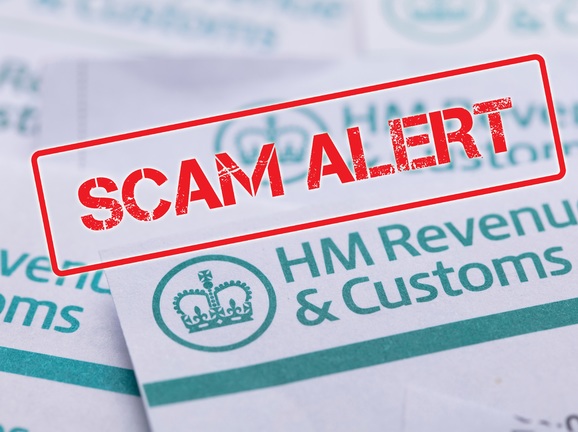 A New Year and new warning about HMRC self-assessment scams | Safe
So, what can you do to protect yourself? For starters, be vigilant when receiving emails or calls that seem suspicious. Don't click on links or download attachments from unknown senders, and never give out your personal or financial details to someone you don't trust. It's like being cautious when meeting someone new - you don't want to reveal too much too soon, right?
Red Flags to Watch Out For
There are some red flags to watch out for when it comes to self-assessment scams. If someone contacts you saying you're due a refund, but you need to pay a fee first, it's likely a scam. Or, if they ask you to verify your identity by providing sensitive info, like your passport number or bank details, it's a no-go.
Also, be wary of emails or calls that create a sense of urgency. Scammers might say you need to act fast or face penalties, but HMRC would never rush you into doing something that might put you at risk. It's like being asked to make a decision on the spot - take a deep breath, and think twice before acting.
 TidyCloud - Scams warning issued to 12 million self assessment taxpayers
What to Do If You're Scammed
If you do get scammed, don't panic - there are steps you can take to minimize the damage. First, report the incident to HMRC and your bank immediately. They can help you freeze your accounts and prevent further unauthorized transactions.
You should also change your passwords and consider investing in identity theft protection. It's like having insurance for your personal details - it might seem like an extra expense, but it's worth it for the peace of mind. Plus, keep an eye on your credit score and report any suspicious activity to the authorities.
Lastly, remember that HMRC is on your side. They want to help you stay safe and avoid scams. So, if you're ever in doubt, just contact them directly - they'll be happy to guide you through the process and keep you informed about any potential scams.
So, there you have it - a warning about self-assessment scams that's not meant to scare you, but to keep you informed and safe. By being vigilant and taking the necessary precautions, you can protect yourself and your loved ones from these sneaky scams. Stay safe, and happy tax-filing!
