What Does All Purpose Flour Mean

I still remember the first time I tried to bake a cake from scratch - it was a disaster! I had no idea what type of flour to use, and I ended up with a dense, flat cake that w...

I still remember the first time I tried to bake a cake from scratch - it was a disaster! I had no idea what type of flour to use, and I ended up with a dense, flat cake that was more suitable for doorstops than dessert. It wasn't until later that I learned about the magic of all-purpose flour, and how it can make all the difference in your baking endeavors.
So, what does all-purpose flour even mean? Is it just a marketing term, or is there really something special about this type of flour? As it turns out, all-purpose flour is a type of flour that is designed to be, well, all-purpose - it's a versatile flour that can be used for a wide range of baked goods, from bread to cakes to cookies.
A Brief History of Flour
But before we dive into the details of all-purpose flour, let's take a quick look at the history of flour. Flour has been around for thousands of years, and it's been a staple ingredient in many different cultures. From ancient Egypt to modern-day America, flour has played a central role in many different types of cuisine.
Must Read
In the past, flour was often made from wheat, barley, or rye, and it was typically coarse and unrefined. It wasn't until the industrial revolution that flour began to be refined and processed on a large scale, making it possible to produce finer, more consistent flours. And that's where all-purpose flour comes in - it's a type of flour that's designed to be neutral and versatile, making it perfect for a wide range of baking applications.
The Science of Flour
So, what makes all-purpose flour so special? It all comes down to the science of flour. You see, flour is made up of proteins, carbohydrates, and fats, and the proportions of these components can vary depending on the type of flour. All-purpose flour, for example, has a medium protein content, which makes it perfect for baked goods that need to be light and fluffy.
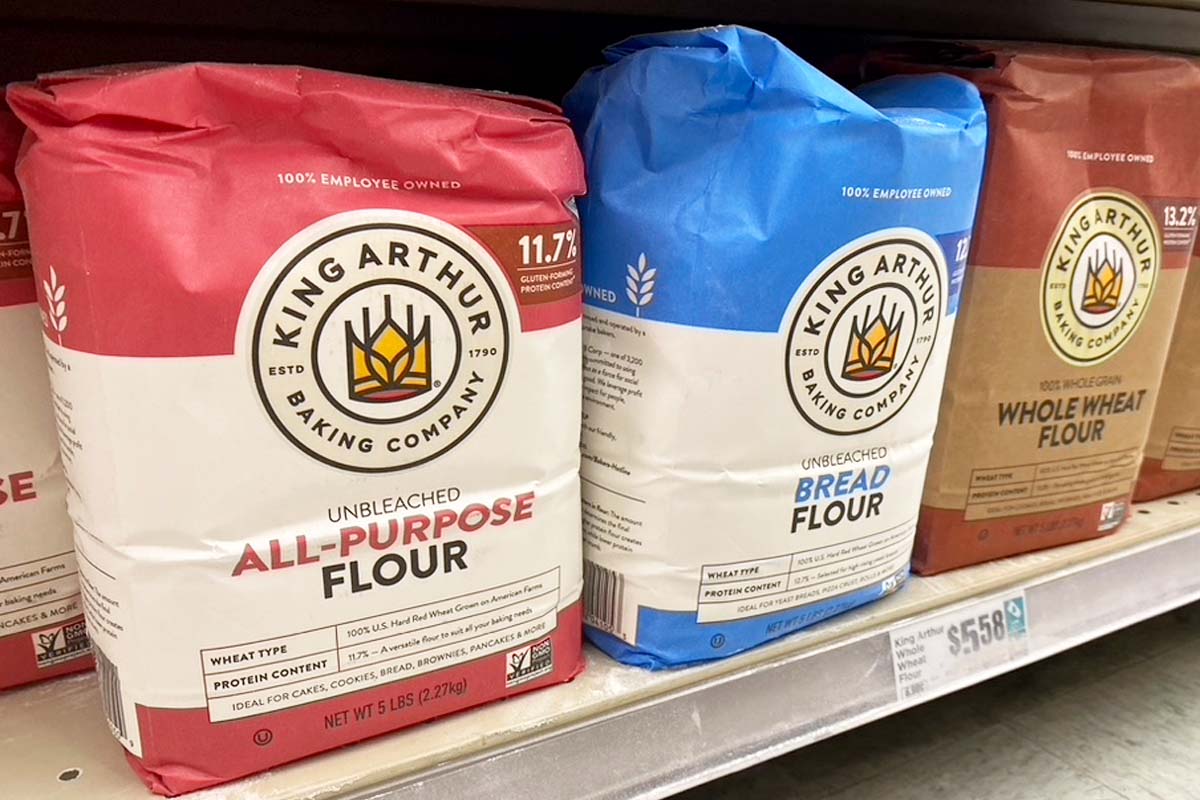
But here's the thing - not all all-purpose flours are created equal. Some all-purpose flours, for example, may have a higher protein content than others, which can make them more suitable for yeast breads or pastries. And then there are bleached and unbleached flours, which can affect the taste and texture of your baked goods. So, what's a baker to do?
 What is all-purpose flour (also called "white flour")? - Common Grains
The good news is that most all-purpose flours are designed to be interchangeable, so you can usually substitute one type of all-purpose flour for another without too much trouble. But if you're looking for precision and consistency in your baking, it's worth doing some research and experimenting with different types of flour to find the one that works best for you.
Using All-Purpose Flour in Your Baking
So, now that you know what all-purpose flour is, let's talk about how to use it in your baking. One of the great things about all-purpose flour is that it's so versatile - you can use it to make everything from quick breads to cookies to cakes. And because it's a neutral flour, it won't impart a strong flavor to your baked goods, making it perfect for recipes where you want the other ingredients to shine.
Of course, there are some things to keep in mind when using all-purpose flour in your baking. For example, you'll want to make sure you're using the right ratio of flour to liquid ingredients, or your baked goods may end up dense or tough. And if you're using a stand mixer or food processor to mix your dough, be careful not to overmix, or you may end up with a tough or chewy texture.
 Bread Flour vs All Purpose | What Are The Differences Between Bread
But with a little practice and patience, you'll be baking like a pro in no time. And don't be afraid to experiment with different types of flour and ingredients to find the perfect combination for your favorite recipes. After all, baking is all about trial and error, and the more you bake, the more you'll learn about the magic of all-purpose flour.
Tips and Tricks for Working with All-Purpose Flour
So, what are some tips and tricks for working with all-purpose flour? One thing to keep in mind is that all-purpose flour can be affected by the humidity and temperature of your environment, which can affect the texture and consistency of your baked goods. To avoid this, try to store your flour in a cool, dry place, and make sure to sift it before using it to remove any lumps or clumps.
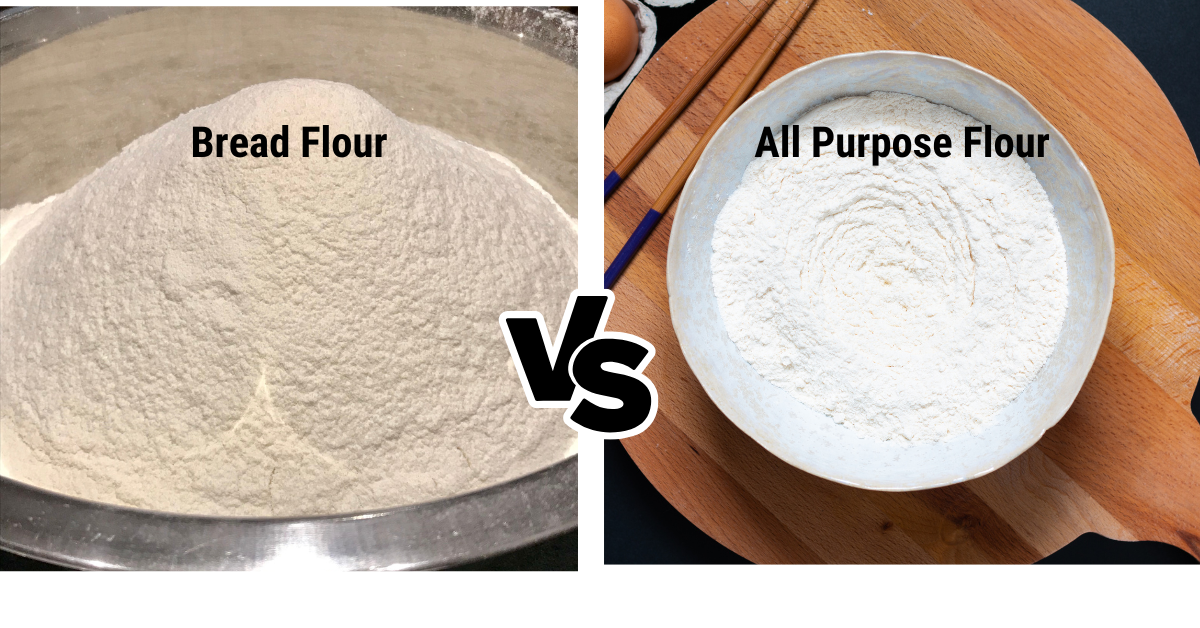
Another thing to keep in mind is that all-purpose flour can be substituted with other types of flour in a pinch. For example, if you're out of all-purpose flour, you can try using bread flour or cake flour as a substitute. Just be aware that this may affect the texture and flavor of your baked goods, so you may need to make some adjustments to your recipe.
And finally, don't be afraid to experiment with different types of flour and ingredients to find the perfect combination for your favorite recipes. Whether you're a seasoned baker or just starting out, the world of flour is full of possibilities and surprises, and with a little practice and patience, you'll be creating delicious baked goods in no time.
